Text for Quote
Text AutoQuote to 615-436-8695 to get started.
Most homeowners think their roof is fully protected until a storm hits and costs skyrocket. Your home insurance coverage might not cover what you expect, especially when it comes to replacement cost, actual cash value, or wind/hail deductibles. Knowing how these details affect your roof insurance can save you from surprise expenses and keep your home safe from severe weather damage. This guide breaks down what you really need to look for when insuring your roof.
When you buy home insurance, your roof is typically included in the dwelling coverage part of your policy. But the level of protection varies widely between policies. Some offer full replacement cost coverage, while others only provide actual cash value. Let’s break down what these terms mean for you.
Replacement Cost vs. Actual Cash Value
Replacement cost coverage is what most homeowners want. It pays to replace your damaged roof with a new one of similar quality without factoring in depreciation. This means if your 10-year-old roof gets damaged in a storm, your insurance will cover the cost of a new roof (minus your deductible).
The difference between replacement cost and actual cash value can mean thousands of dollars out of your pocket after a claim. Replacement cost pays for a new roof of similar quality without subtracting for age or wear. This gives you the best financial protection when damage strikes.
Actual cash value (ACV) works differently. It starts with the replacement cost but then subtracts depreciation based on your roof’s age and condition. With this coverage, that same 10-year-old roof might only be valued at 50% of its original cost because of depreciation. A 15-year-old roof might only be worth 30-40% of its replacement value under ACV coverage. You’d receive that reduced amount, leaving you to pay the difference for a full replacement. This means you’ll pay most of the replacement cost yourself.
Many homeowners don’t realize their policy uses ACV until they file a claim. According to insurance experts, a typical asphalt shingle roof depreciates about 4% per year. That means after just 10 years, your insurance might only cover 60% of replacement costs with ACV coverage.
The premium difference between these two coverage types is smaller than you might think. For a few extra dollars per month, you could save thousands if you need to replace your roof after a storm.
Consider this. Replacing an entire roof can cost upwards of $20,000. So, when comparing insurance policies, getting replacement cost on your roof for an extra $300/yr. can result in thousands of dollars in savings if you need to have your roof replaced due to a covered loss.
Many homeowners don’t realize that some policies have separate wind/hail deductibles specifically for storm damage. These are often higher than your standard deductible and may be calculated as a percentage of your home’s insured value rather than a fixed dollar amount.
For example, if your home is insured for $350,000 and you have a 1% wind hail deductible, you’ll pay the first $3,500 of damage before insurance kicks in. This is true even for smaller repairs. If hail damages just one section of your roof causing $5,000 in damage, you’re still responsible for $3,500.
If your home is insured for $300,000 and you have a 2% wind hail deductible, you’d be responsible for the first $6,000 of storm damage repairs. That’s a lot more than the typical $2,500 standard deductible many homeowners expect to pay.
Wind and hail damage accounts for nearly 40% of all homeowners insurance claims. Because of this high frequency, many insurance companies now use special wind hail deductibles that work differently from your standard deductible.
These specialized deductibles typically come in two forms: flat-dollar amounts (often higher than your standard deductible) or percentage-based deductibles. Percentage deductibles are calculated based on your home’s insured value, not the repair cost.
Some policies also include “cosmetic damage exclusions” for hail. This means if hail dents your metal roof but doesn’t affect its function, repairs might not be covered at all. Always check your policy for these limitations.
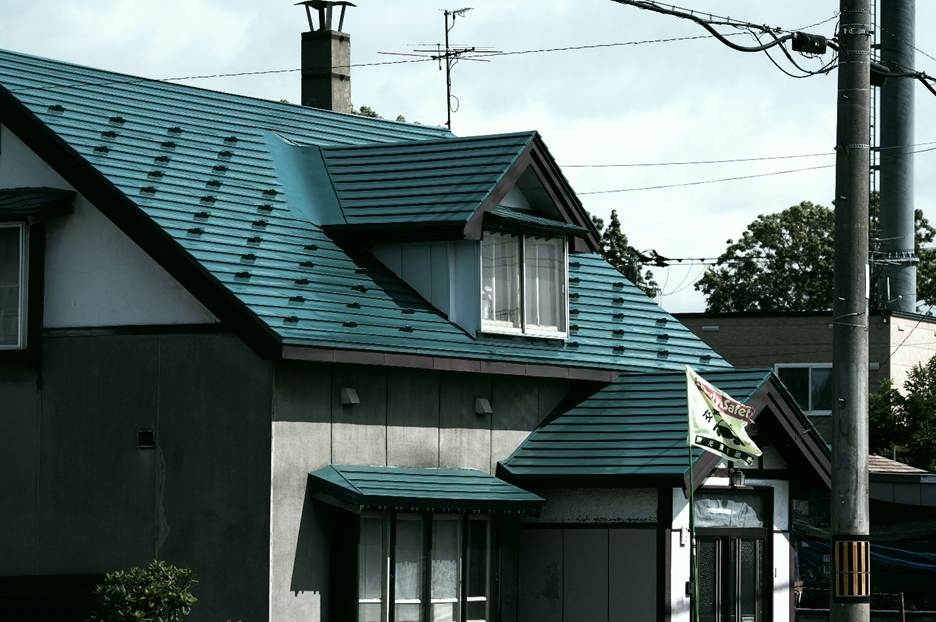
If your roof is older (typically 10-20+ years), you might find it harder to get full replacement cost coverage. Many insurance companies switch to actual cash value or payment schedule coverage for older roofs. They may even refuse to insure older roofs until they’re replaced.
Some policies also include cosmetic damage exclusions. This means if hail dents your metal roof but doesn’t affect its functionality, repairs might not be covered even though the appearance is damaged. If matching shingles or siding is important to you, ask your agent about adding this coverage to your policy.
When reviewing your home insurance coverage for roof protection, ask:
When to Review Your Roof Coverage
It’s smart to review your roof insurance coverage:
Understanding the details of your roof coverage before severe weather damage occurs can save you thousands of dollars and countless headaches. Don’t wait for a leak or missing shingles to find out what your policy actually covers when it comes to insuring your roof.
Remember, the best homeowners insurance tips include being proactive about understanding your coverage and planning for the inevitable wear and tear your roof will experience over time.
Many homeowners believe myths about roof insurance that can cost them dearly. The biggest misconception? That standard homeowners insurance automatically covers all roof damage.
The truth is that most policies only cover damage from specific “named perils” like fire, wind, and hail. Normal wear and tear, algae growth, or damage from poor maintenance is almost never covered. That slow leak that eventually caused ceiling damage? Probably not covered if it resulted from gradual deterioration.
Another common misunderstanding involves matching issues. If storm damage affects only part of your roof, many policies won’t pay to replace undamaged sections – even if the new shingles don’t match your existing roof. Some states require “matching ordinances,” but many don’t.
Many homeowners also wrongly assume they can file a claim anytime they notice roof damage. In reality, most policies require prompt reporting (usually within 30-60 days of damage). Waiting too long can result in claim denial, especially if the delay causes additional damage.
Perhaps the most expensive misconception is that filing multiple roof claims has no consequences. In fact, roof claims often trigger premium increases or even policy non-renewals. American Family Insurance explains that multiple weather-related claims within 3-5 years can significantly impact your insurability, even if the damage wasn’t your fault.
Your roof is one of your home’s most valuable components. Protecting it requires both proper insurance and preventive maintenance.